Clinical Impact
Where AI has already shown practical success in oncology.
The strongest success stories to date are usually decision-support, workflow and measurement improvements—not a simple story of “AI cures cancer”.
1) Radiotherapy contouring and planning
Radiotherapy is one of the clearest domains in which AI has already delivered measurable operational value. A 2026 multi-centre real-world evaluation reported AI-assisted organ-at-risk contouring in radiotherapy workflows across centres, while additional studies in prostate and lung radiotherapy continue to show time savings and improved planning efficiency.
Sources: Inverarity et al. Br J Radiol. 2026;99(1184):1615–1623. DOI: 10.1093/bjr/tqag111. Nagake et al. Radiol Phys Technol. 2026. DOI: 10.1007/s12194-026-01080-8. Batten et al. Med Dosim. 2025. DOI: 10.1016/j.meddos.2025.05.008.2) Pathology analysis and biomarker standardization
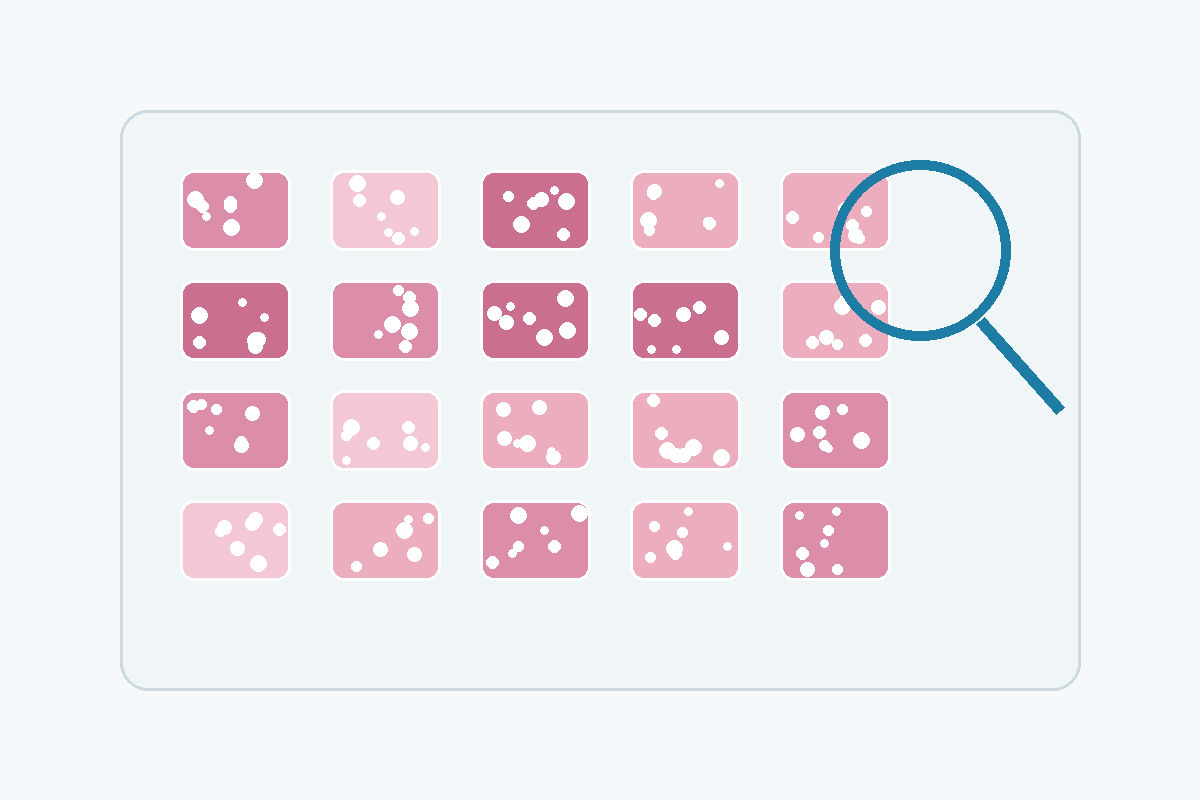
Digital pathology is another area with clear traction. Recent work includes 2026 breast histopathology classification and 2026 multimodal AI predicting PIK3CA mutation from pathology and clinical data. A 2026 independent validation study in Lancet Oncology also assessed AI-based quantification of tumor infiltrating lymphocytes in triple-negative breast cancer.
Sources: Ali et al. Sci Rep. 2026;16:22284. DOI: 10.1038/s41598-026-60967-z. Miao et al. Cancer Biol Med. 2026. DOI: 10.20892/j.issn.2095-3941.2025.0771. Dixon-Douglas et al. Lancet Oncol. 2026;27(9):1181–1192. DOI: 10.1016/S1470-2045(26)00339-6.3) Treatment-response prediction
In selected use cases, AI is already helping estimate which patients may respond better to a specific treatment path. One 2026 double-centre study reported an MRI-based model for predicting pathological complete response after neoadjuvant therapy in triple-negative breast cancer. This is best understood as support for better planning—not a replacement for treatment decisions.
Source: Diagnostic and Interventional Radiology. 2026. PMID 41140117.4) Longitudinal monitoring and immune context
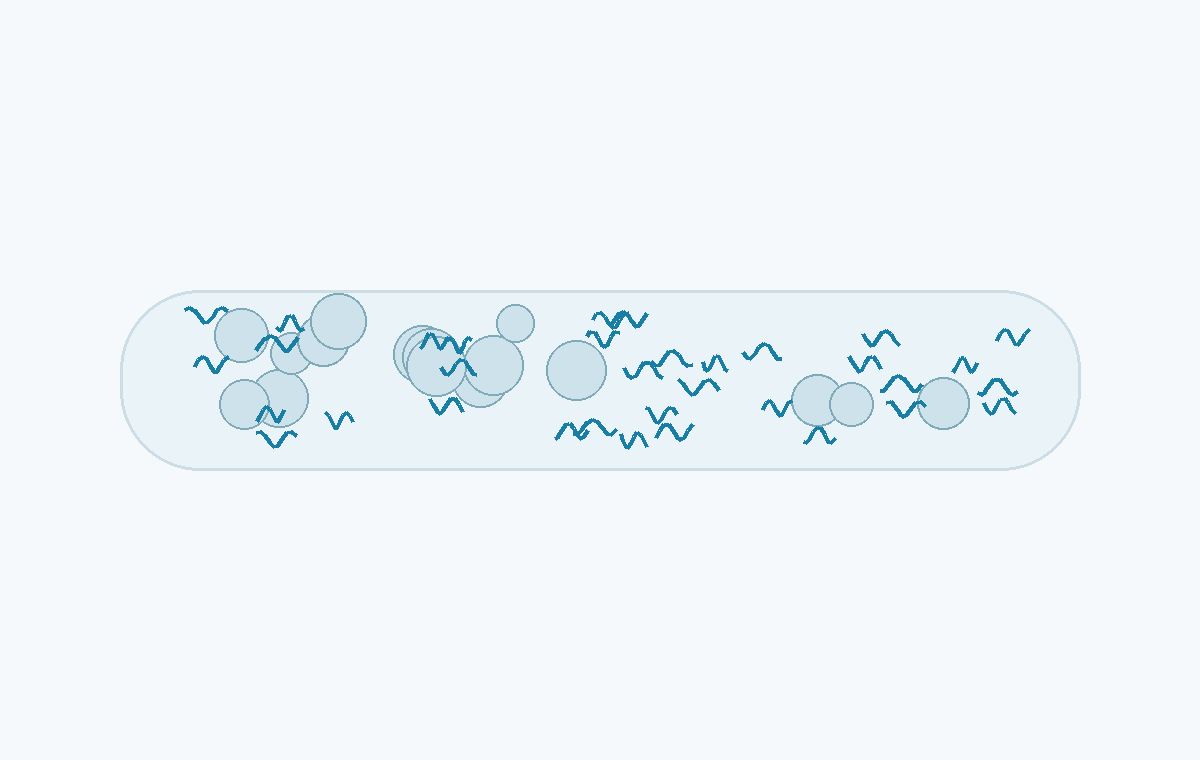
AI becomes more powerful when it can use serial measurements and rich biomarker context. A 2026 Nature Reviews Clinical Oncology review highlighted the promise of liquid-biopsy-based analysis of antitumour immunity for dynamic monitoring over time.
Source: Pantel K, Masmoudi D, Alix-Panabières C. Nat Rev Clin Oncol. 2026. DOI: 10.1038/s41571-026-01181-8.Important boundary: none of these examples should be read as proof that AI “treats cancer by itself”. They show where AI is already useful inside oncology workflows—especially measurement, planning, classification and response-support.